



Doctors warn as new COVID variant with 75 mutations raises fresh concerns
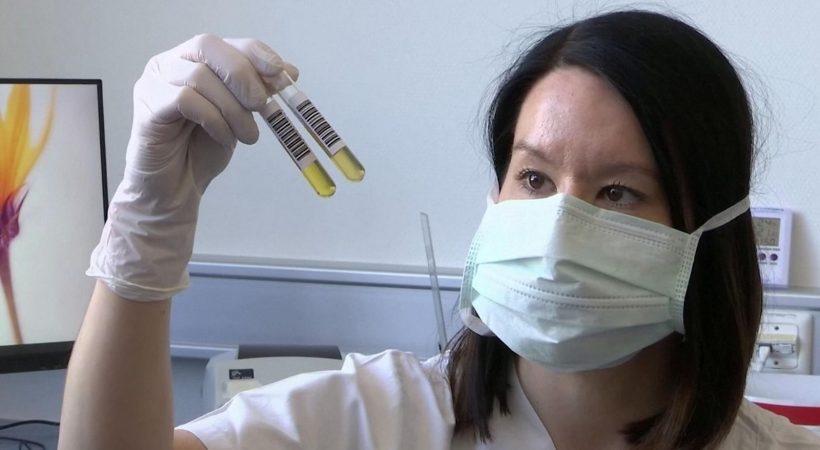
Just when COVID-19 seemed to fade into the background, a new variant is drawing attention again — and this time, experts say it carries a high number of mutations that could change how the virus behaves.
Early reports suggest the strain has around 70–75 changes in its spike protein, the part of the virus that helps it enter human cells. That has triggered concerns about “immune escape”, a term used when a virus can partially bypass protection from vaccines or past infections.
The variant was first identified in South Africa in late 2024, and researchers say it shows significant differences compared to earlier strains.
A virus that keeps evolving
Health experts say this development is not unexpected.
COVID-19, caused by COVID-19, continues to evolve as part of its natural behaviour. Unlike the early days of the pandemic, the virus is now considered endemic — meaning it is likely to stay and circulate over time.
Doctors explain that new variants will continue to emerge, but that does not automatically signal a crisis.
Should you be worried now
The appearance of a new variant can naturally trigger concern, especially given the memory of earlier waves.
However, doctors say the current situation is very different from what the world experienced at the start of the pandemic.
A large section of the population now has what is known as hybrid immunity — protection built from both vaccination and prior infection. While this may not fully prevent infection, it significantly reduces the risk of severe illness in most cases.
What immune escape actually means
The term “immune escape” may sound alarming, but it mainly indicates that reinfections could become more common.
In simple terms, even vaccinated individuals or those who have had COVID before may still test positive again.
But experts highlight an important distinction — getting infected does not necessarily mean getting seriously ill.
What symptoms may look like
For most people, especially those without underlying conditions, illness linked to newer variants is expected to resemble recent waves.
Common symptoms may include fever, cough, fatigue and general weakness. In many cases, these remain manageable at home.
Doctors note that while infections may rise, the severity is not expected to mirror earlier phases of the pandemic for the majority of people.
Who should be more careful
Despite the overall reassurance, certain groups still face higher risks.
Older adults, people with existing health conditions, pregnant women and those with weakened immune systems need to remain cautious.
For them, even a relatively milder variant can lead to complications and longer recovery periods.
Why experts stress awareness, not panic
Health systems today are far better prepared, with improved testing, treatment protocols and access to antiviral therapies.
At the same time, experts stress the importance of continued monitoring and genomic surveillance to track how the virus evolves.
The message from doctors is clear — stay informed, but do not panic.
Living with COVID
COVID-19 is increasingly behaving like other seasonal respiratory infections, with occasional surges followed by calmer periods.
That means the focus is shifting from emergency response to long-term management.
What you should do now
Vaccination continues to play a key role, especially booster doses for high-risk groups.
Simple precautions such as testing when symptomatic and protecting vulnerable individuals still remain important, particularly during spikes.
Final takeaway
The emergence of a new variant with multiple mutations may sound concerning, but experts say it is part of an ongoing pattern rather than a sudden threat.
With stronger immunity, better healthcare preparedness and increased awareness, the situation today is far more controlled than in the early days of the pandemic.
The key, doctors say, is to stay alert — not alarmed.