
Karkidaka Sukhachikitsa: Kerala’s Traditional Ayurvedic Wellness Reset Explained
How this seasonal Ayurvedic practice helps the body recover, recharge, and prepare for the months ahead
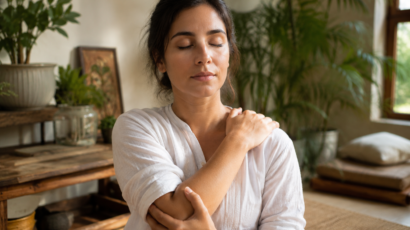
The Malayalam month of Karkidaka is widely regarded in Kerala as the ideal time to focus on health and healing through Sughachikilthsa (also spelled Sukhachikitsa), a traditional Ayurvedic wellness program designed to restore the body and mind. After months of physical work and changing weather, many people use this period to slow down, rest, and follow therapies that promote overall well-being.
According to Ayurveda, Karkidaka is a season when the body becomes more vulnerable because of the rainy weather. The treatments are believed to help balance Vata (one of the three Ayurvedic body energies associated with movement and the nervous system) and remove accumulated doshas (imbalances in the body’s natural energies).
What does Sughachikilthsa include?
Sughachikilthsa may last anywhere from three days to a month, depending on a person’s health needs and a physician’s advice. Common therapies include:
- Dhara – A treatment in which a continuous stream of warm medicated liquid is poured over the forehead or body to promote relaxation.
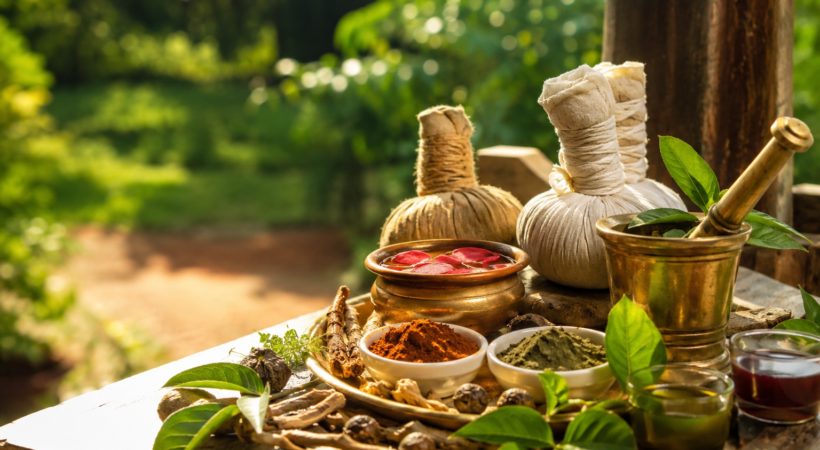
- Podikizhi – A massage using warm herbal powder-filled pouches to ease pain and improve circulation.
- Pachakizhi – A therapy using heated herbal leaves tied in cloth bundles and massaged over the body to relieve muscle and joint discomfort.
- Udhwarthanam – A herbal powder massage performed with upward strokes to improve circulation and support healthy skin.
Among these, the simplest treatment that can be done at home is Ennathechukuli (oil bath), where the body is generously massaged with medicated oil before taking a bath with lukewarm water.
Popular Ayurvedic therapies during Karkidaka
Ayurveda hospitals are especially busy during Karkidaka, offering treatments such as:
- Uzhichil – A full-body massage using medicated oils to improve flexibility and circulation.
- Pizhichil – A therapy in which warm medicated oil is continuously poured over the body while gentle massage is performed.
- Navarakizhi – A nourishing massage using cooked Navara rice (a medicinal rice variety) tied in herbal pouches.
- Ilakizhi – A massage using heated herbal leaves to reduce stiffness and pain.
- Vasthinasyam – Ayurvedic cleansing therapies that include Vasti (medicated enema) and Nasya (administration of medicated oil through the nose) to support overall balance.
These treatments are traditionally believed to improve muscle strength, support healthy nerves, relieve joint pain, and promote the body’s natural elimination processes. Most therapy plans last between seven and 14 days and should be completed as recommended by an Ayurveda physician rather than stopped midway.
The role of Oushadhakanji
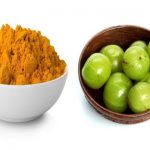
Another important part of Karkidaka wellness is Oushadhakanji, a medicinal herbal porridge prepared with Navara rice, coconut milk or milk, and a blend of herbs and spices such as cumin, black cumin, green gram, dried ginger, fenugreek, turmeric, coriander, cloves, and mace.
Traditionally, it is consumed on an empty stomach in the morning. Many people continue taking it throughout the month, although the duration may vary based on individual needs. In Ayurveda, this nourishing porridge is valued for supporting digestion, energy levels, and overall health.
Why rest and diet matter
Rest is considered just as important as the therapies themselves. During Sughachikilthsa, people are also encouraged to follow Pathya—an Ayurvedic dietary regimen that recommends foods and habits suited to the body’s condition while avoiding those that may interfere with recovery.
Because dietary needs vary from person to person, it is advisable to consult an Ayurveda physician before making major changes to your diet or beginning any treatment program.
A fiber-rich diet is generally recommended to support digestion. Depending on individual needs, an Ayurvedic practitioner may also advise limiting spicy, sour, or certain other foods during the treatment period.
Traditional lifestyle tips followed during Karkidaka
People observing Sughachikilthsa traditionally follow these healthy habits:
- Eat meals prepared with aged rice.
- Include green gram soup in your diet.
- Choose fresh, chemical-free leafy vegetables whenever possible.
- Apply medicated oil before bathing.
- Drink plenty of buttermilk.
- Avoid physically strenuous work.
- Avoid excessive sweets and spicy foods.
- Avoid daytime sleeping and strenuous exercise.
- Avoid non-vegetarian foods during the treatment period.
- Stay away from alcohol and smoking.
A personalized approach is essential
While Sughachikilthsa is traditionally considered suitable for people of different ages, Ayurvedic treatments are not one-size-fits-all. The choice of oils, therapies, diet, and treatment duration should always be decided after consulting a qualified Ayurveda physician to ensure they are appropriate for your health condition and individual needs.