




Oil could hit $180, warns Saudi; impact on India’s economy, markets and households
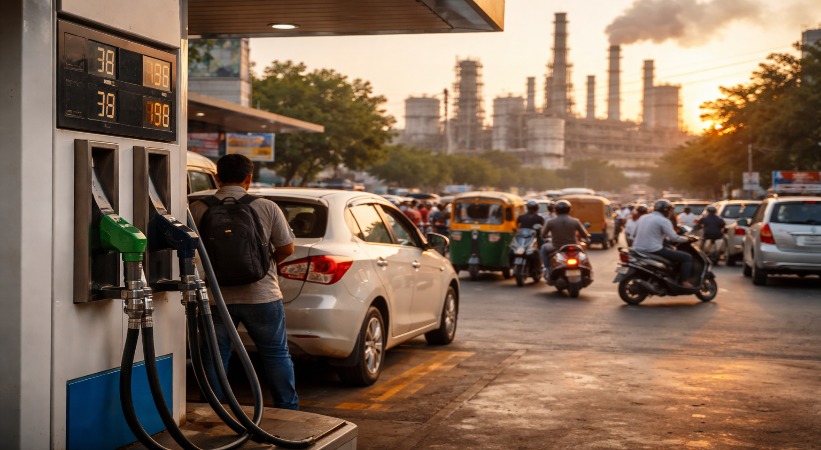
Global oil markets are entering a critical phase, with officials in Saudi Arabia internally projecting that crude prices could climb to $180 per barrel by late April if current disruptions continue.
As reported by The Wall Street Journal, some officials are treating this as a base-case scenario, indicating that such a spike is considered realistic if the situation does not improve.
Why Saudi Arabia expects prices to surge
The projection is driven by escalating tensions involving Iran, which have begun to impact critical energy infrastructure across the region. Retaliatory actions and strikes have affected key facilities, raising fears of prolonged supply disruptions.
A major concern is the Strait of Hormuz, a vital route that carries nearly one-fifth of the world’s oil supply. Any instability here can immediately tighten global supply and push prices higher.
Oil markets already reacting
Oil prices have already surged in response to the conflict. Brent crude is currently trading around $115–$120 per barrel after rising sharply since late February, with regional crude benchmarks climbing even more.
Markets are increasingly viewing the disruption as long-term rather than temporary, which is adding further upward pressure on prices.
Saudi’s step-by-step price scenario
Saudi Arabia’s internal modelling outlines how prices could rise if disruptions continue:
- Near term: $130–$140 per barrel
- Early April: around $150
- Further escalation: $160–$165
- Late April: $180+ per barrel
These projections reflect how supply shortages and market reactions could evolve over the coming weeks.
What it means for India’s economy
For India, which imports most of its oil, such a surge would have wide-ranging effects. Higher crude prices would push up inflation as fuel becomes more expensive, increasing transport and logistics costs across the economy.
At the same time, economic growth could slow as businesses face rising expenses, creating the risk of stagflation—where inflation rises even as growth weakens.
Impact on companies and stock markets
Corporate earnings would come under pressure, especially in sectors heavily dependent on fuel and crude-linked inputs. Airlines such as IndiGo and Air India could see higher operating costs, while FMCG, logistics and manufacturing companies may struggle with shrinking margins.
On the other hand, upstream firms like ONGC may benefit from higher crude prices. Stock markets, including indices like Nifty 50, are likely to remain volatile as investors react to inflation concerns and uncertain growth outlook.
Why fuel prices are steady in India—for now
Despite the global surge, fuel prices in India have remained relatively stable so far because the government and oil companies are absorbing part of the cost and managing supply conditions. However, this may not continue if crude prices keep rising, making gradual price hikes more likely.
How it affects the common man
For ordinary households, the impact would be gradual but noticeable. Higher fuel prices would increase commuting costs, while rising transport expenses would push up the prices of food and daily essentials.
Over time, household budgets would come under pressure as spending increases while income growth may not keep pace. Higher inflation could also keep interest rates elevated, making loans and EMIs more expensive.
What could stop oil from hitting $180
The report also notes that prices may not reach extreme levels if conditions improve. A de-escalation of tensions involving Iran, restoration of disrupted supply flows, increased oil production from other countries, or even a slowdown in global demand due to already high prices could limit the upside.
Outlook: A critical phase for global markets
Saudi Arabia’s projections highlight that extreme oil price scenarios are now being seriously considered. The direction of the market will depend largely on how long current disruptions persist.
For India, the outcome will shape inflation, economic growth, corporate earnings and the cost of living, making the coming weeks crucial for both markets and households.