



US expands social media vetting to more visa categories what it means for Indians
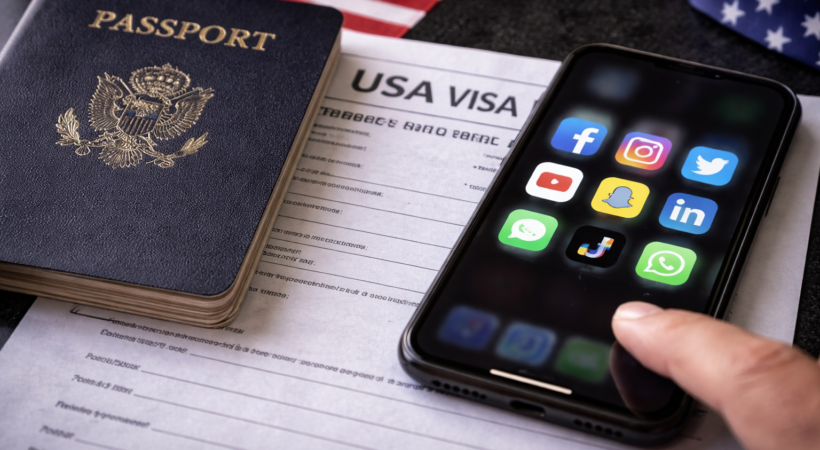
In a move that signals tighter screening, the United States Department of State has expanded social media vetting to cover more non-immigrant visa categories, raising concerns among applicants about longer processing times and stricter scrutiny.
While the immediate impact on most Indian travellers may be limited, the change points to a broader shift in how visa applications are being reviewed.
More visa categories under scrutiny
The updated rule now includes additional visa types such as H-3, K, Q, R, S, T and U categories, along with certain dependents.
These are now part of the social media review process, where applicants may be required to keep their profiles accessible for verification during visa processing.
Earlier, such checks were already in place for popular categories like H-1B, F, M and J visas.
Why this matters now
The move reflects increasing focus on background verification and national security during visa approvals.
US authorities have emphasised that every visa decision is treated as a security matter, and reviewing publicly available online activity is part of that process.
This expansion means more applicants could face deeper scrutiny, even in less common visa categories.
Impact on Indian applicants
For most Indians, the impact is expected to remain limited.
This is because the majority of Indian applicants apply under categories such as:
- H-1B work visas
- F-1 student visas
- B-1/B-2 visitor visas
However, some groups may still be affected, including:
- Those applying for fiancé or marriage visas
- Religious workers travelling to the US
- Participants in training or exchange programmes
What changes for applicants
The new rule does not alter visa eligibility, but it may affect the process.
Applicants can expect:
- More detailed background checks
- Additional questions during visa interviews
- Possible delays in processing
In recent years, similar vetting measures have already led to longer wait times in some categories, especially for H-1B applicants.
Growing trend in visa screening
The expansion is part of a wider effort by US authorities to strengthen screening of foreign nationals entering the country.
Over time, social media vetting has gradually been extended across multiple visa types, and this latest move brings even more categories under its scope.
Final takeaway
Although the change may not impact a large number of Indian applicants immediately, it highlights a clear trend towards stricter and more comprehensive visa checks.
For applicants, maintaining a consistent and transparent online presence may become increasingly important as scrutiny continues to expand.